
Understanding Scalp Seborrhoeic Dermatitis: Causes, Symptoms, and Solutions
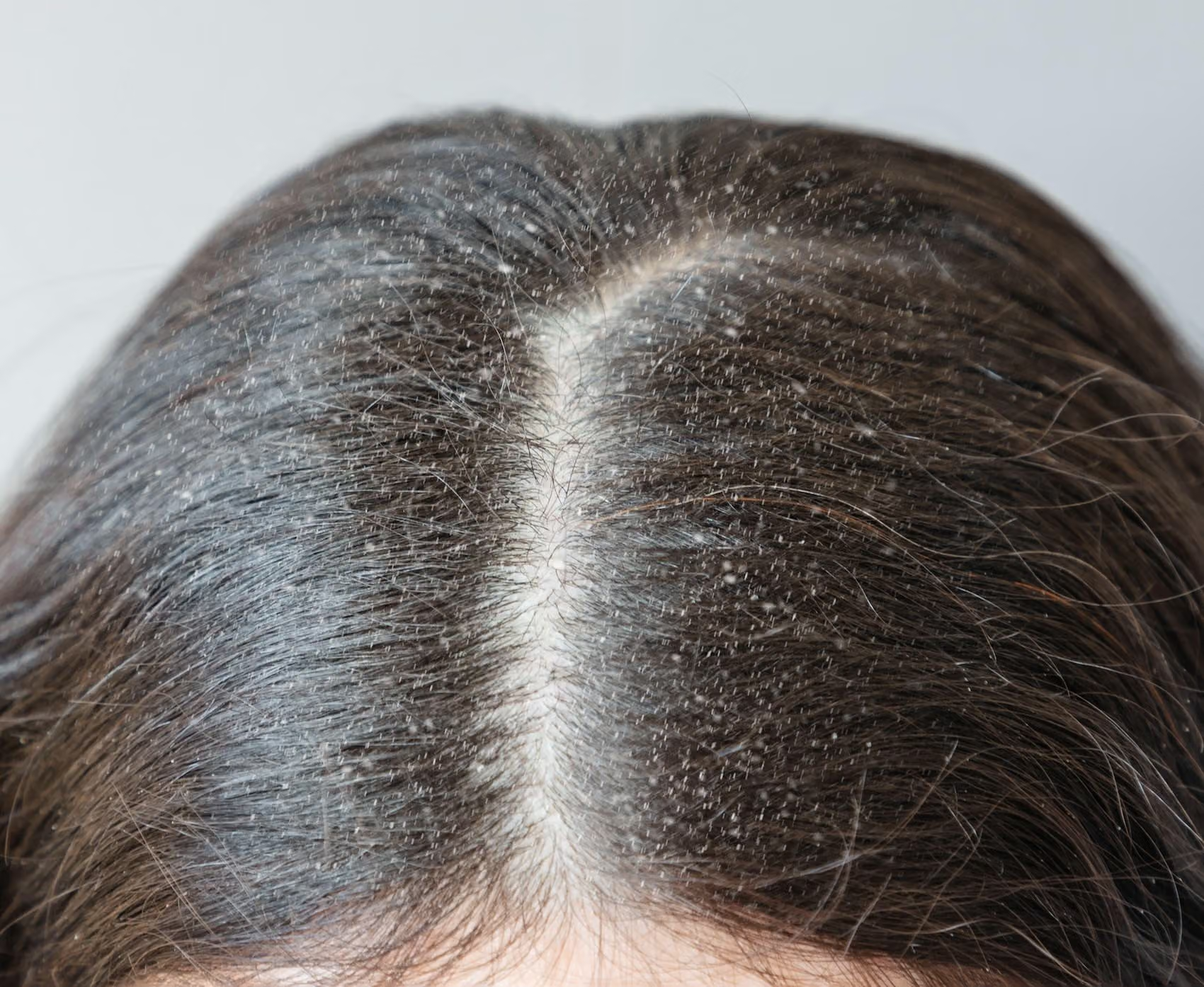
Dealing with an itchy, flaky scalp can be both frustrating and embarrassing. If you’ve been noticing persistent flakes that don’t seem to go away with regular washing, you might be dealing with Seborrhoeic Dermatitis (also frequently referred to as Seborrhoeic Eczema).
This common skin condition specifically targets areas of the body with a high concentration of oil glands, making the scalp its prime target. Here is a comprehensive guide to understanding what it is, how it differs from standard dandruff, and how to manage it effectively.
Seborrhoeic Dermatitis vs. Dandruff
It is incredibly common for people to confuse everyday Dandruff with Seborrhoeic Dermatitis. While they exist on the same spectrum of scalp flaking, there is a distinct difference:
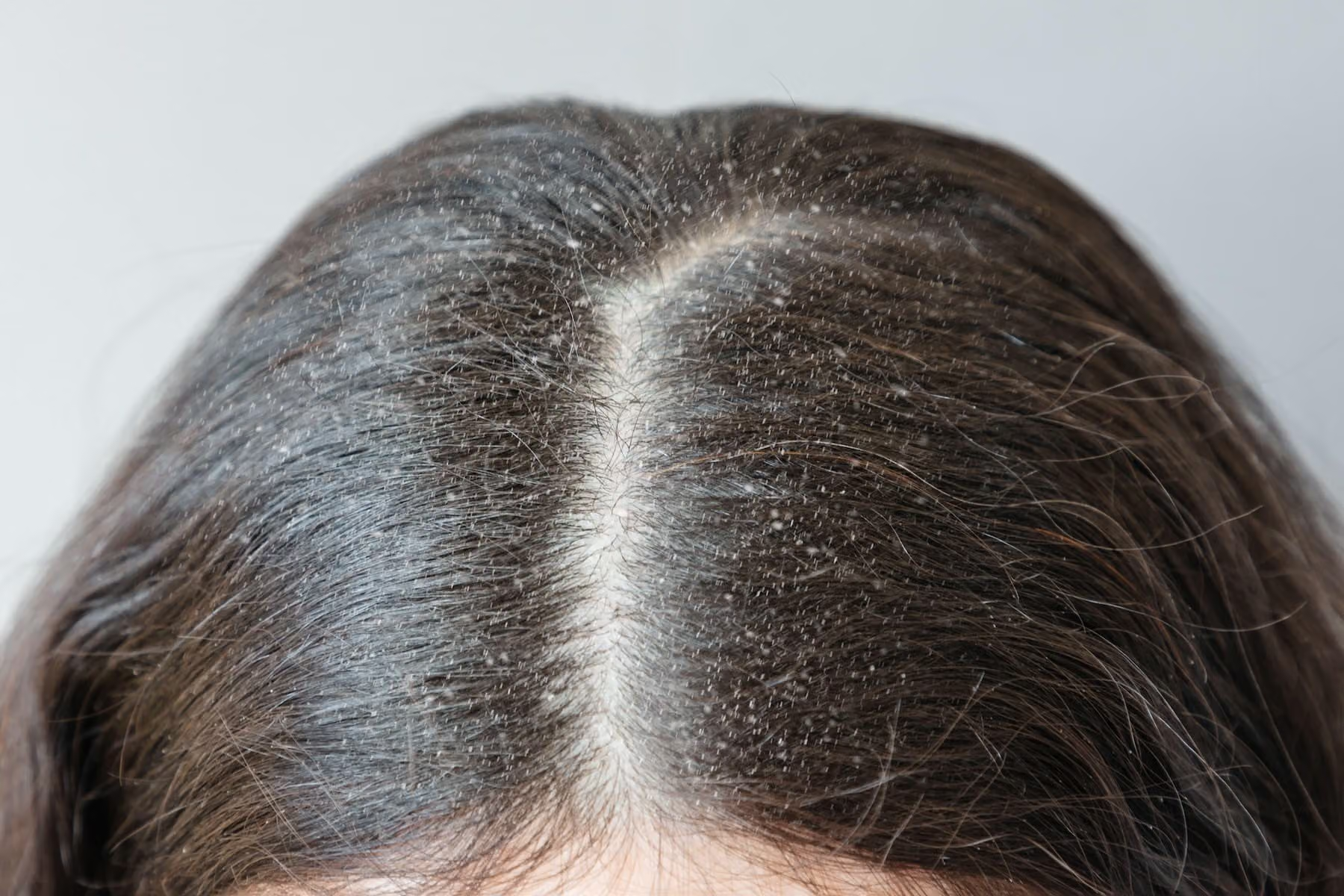
- Dandruff: Typically presents as fine, dry, white flakes without significant skin irritation or redness.
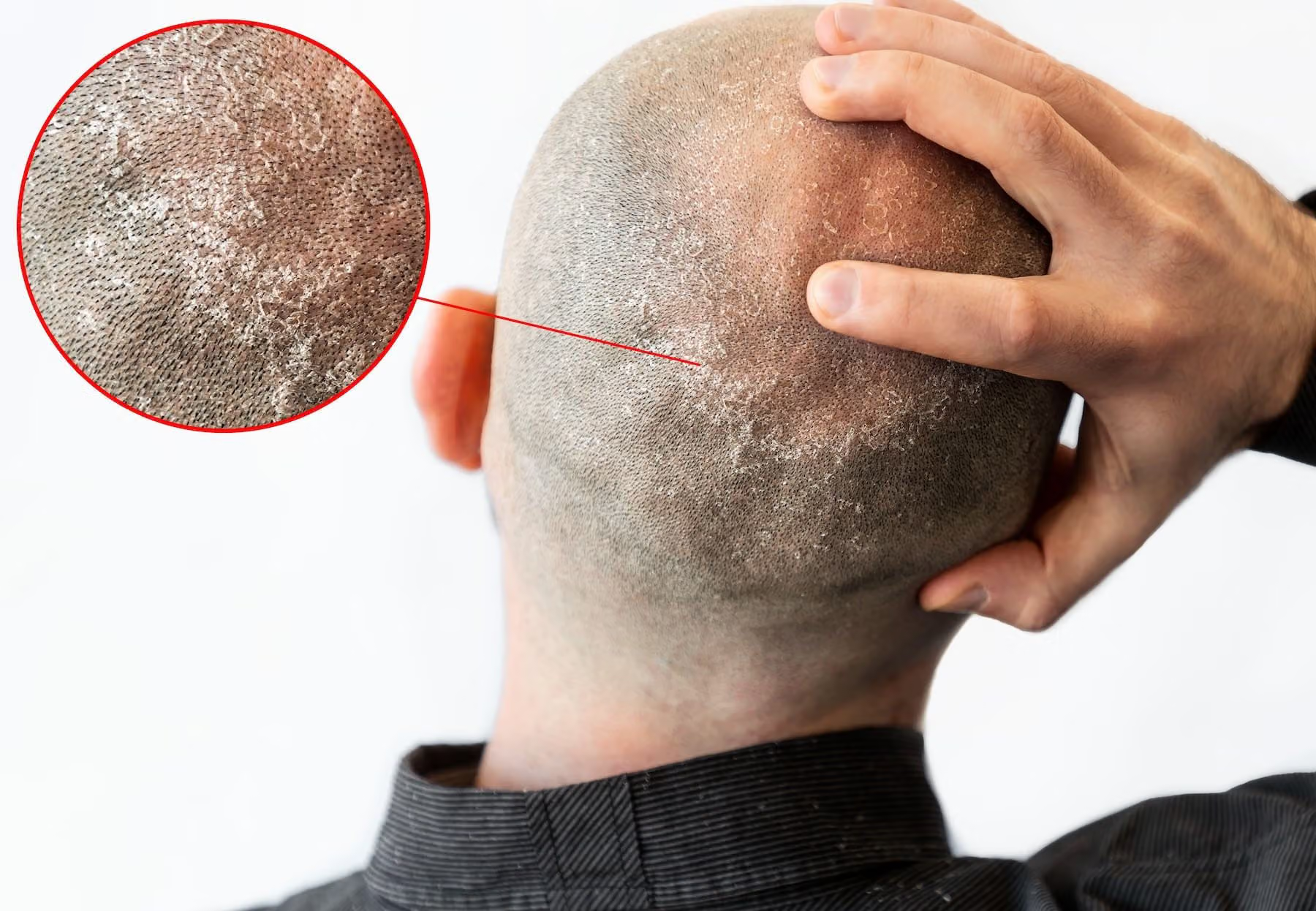
- Seborrhoeic Dermatitis / Seborrhoeic Eczema: Involves actual inflammation of the skin. The flakes are often larger, yellowish, greasy, or waxy, and they are usually accompanied by redness, stubborn crusting, and intense itching.
What Causes It?
The exact cause isn’t entirely clear, but medical experts believe it is triggered by a combination of factors:
- Malassezia Yeast:
- Excess Oil (Sebum):
- Triggers: Factors like stress, cold and dry weather, hormonal fluctuations, and certain lifestyle changes
- How to Manage and Treat the Scalp
Because these conditions are chronic, treatment focuses on managing flare-ups and keeping symptoms at bay. Here are the most effective strategies:
1. Targeted Hair Care
The first line of defense is usually a specialized medicated shampoo. Among the most widely recommended and clinically proven treatments is Ketoconazole Shampoo.
| Active Ingredient | How it Works |
| Ketoconazole Shampoo | A powerful antifungal treatment that directly targets the Malassezia yeast to reduce inflammation and flaking. |
| Selenium Sulfide | Slows down the rapid turnover of skin cells and reduces yeast growth. |
| Salicylic Acid | Helps dissolve and lift thick crusts and scales from the scalp. |
Tip: When using a treatment like Ketoconazole Shampoo, gently massage it into your scalp and leave it on for 3 to 5 minutes before rinsing to allow the active ingredient to thoroughly penetrate the skin.
2. Establish a Consistent Routine
- Wash regularly: Keeping the scalp clean reduces the buildup of oil and yeast.
- Avoid harsh styling products: Gels, sprays, and heavy oils can trap sebum and worsen irritation.
- Be gentle: Avoid scratching or picking at the scales, as this can break the skin and lead to secondary infections.
When to See a Professional
If over-the-counter remedies do not bring relief after a few weeks, or if your scalp becomes intensely painful, swollen, or starts oozing, it’s time to consult a healthcare professional. A specialist can prescribe stronger topical treatments, such as prescription-strength antifungals or mild topical corticosteroids, to quickly calm severe inflammation.
At Westminster Medical Group, we assess your unique case to recommend the ideal course of action. Our registered surgeons and trichologists will guide you toward the most effective solutions – contact us today
See what's possible for you
Free online assessment, reviewed by our clinical team.