
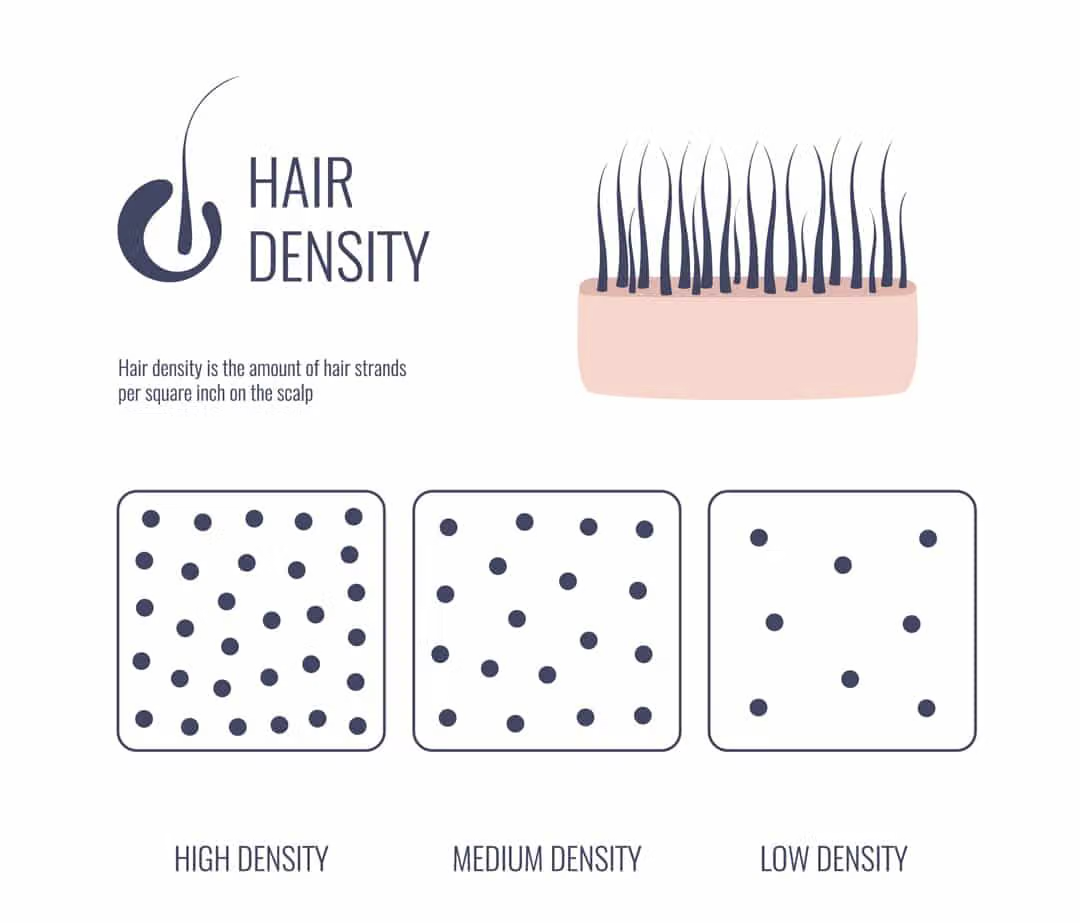
Hair transplant density refers to the number of hair follicles or grafts that are transplanted into a specific area of the scalp. It is typically measured in grafts per square centimeter (Grafts/cm²) or follicular units per square centimeter (FUs/cm²). The density achieved during a hair transplant can vary based on several factors, including the patient’s donor hair supply, the surgical technique used, and the goals of the procedure.
Here are some key points to consider regarding hair transplant density:
- Donor Hair Supply: The density that can be achieved in a hair transplant is limited by the availability of donor hair. The donor area is usually the back and sides of the scalp, where hair is genetically resistant to hair loss. The number of grafts that can be harvested from this area without causing noticeable thinning or scarring will influence the overall density that can be achieved.
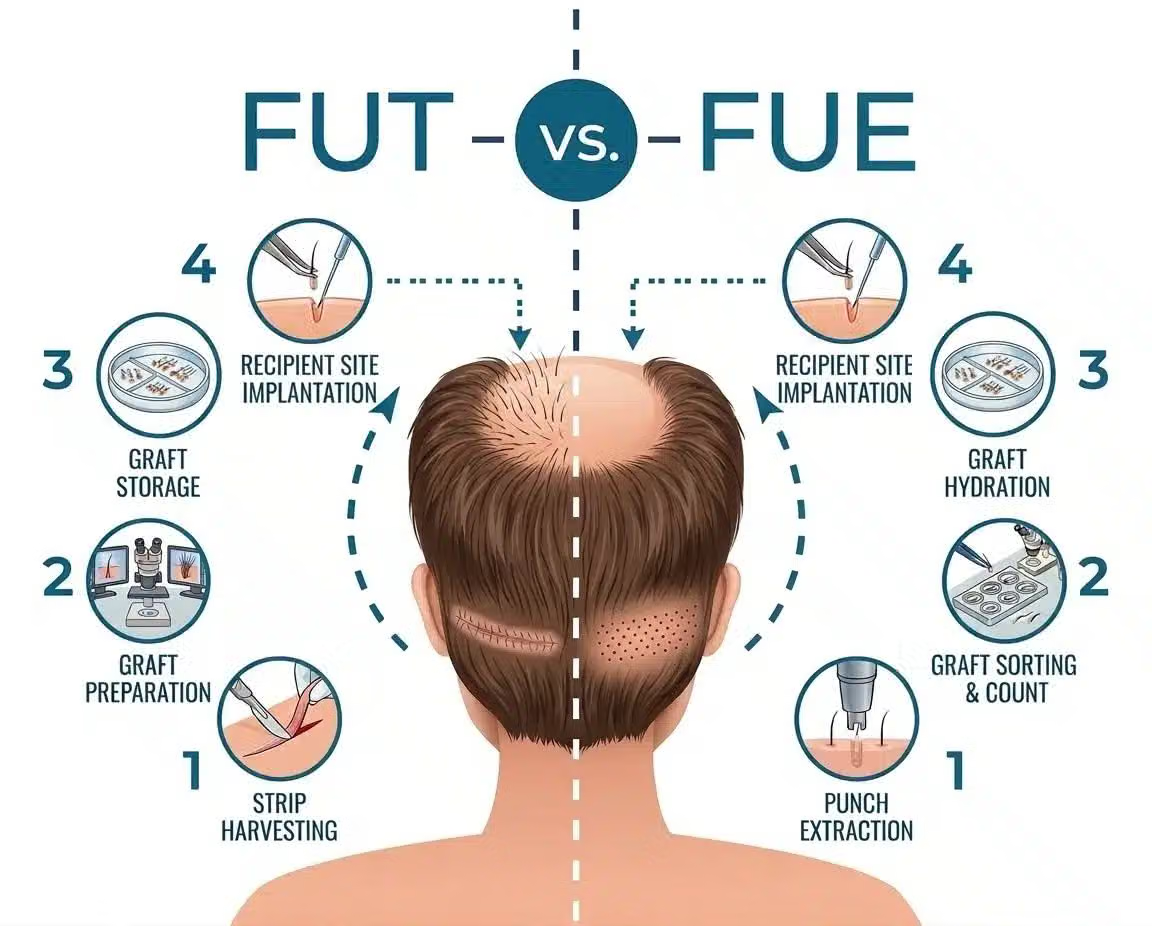
- Surgical Technique: The technique used in the hair transplant procedure can affect the density. There are two primary methods: Follicular Unit Transplantation (FUT) and Follicular Unit Extraction (FUE). FUE typically allows for a higher density of grafts as individual follicular units are extracted, whereas FUT may leave a linear scar but can still achieve good density.
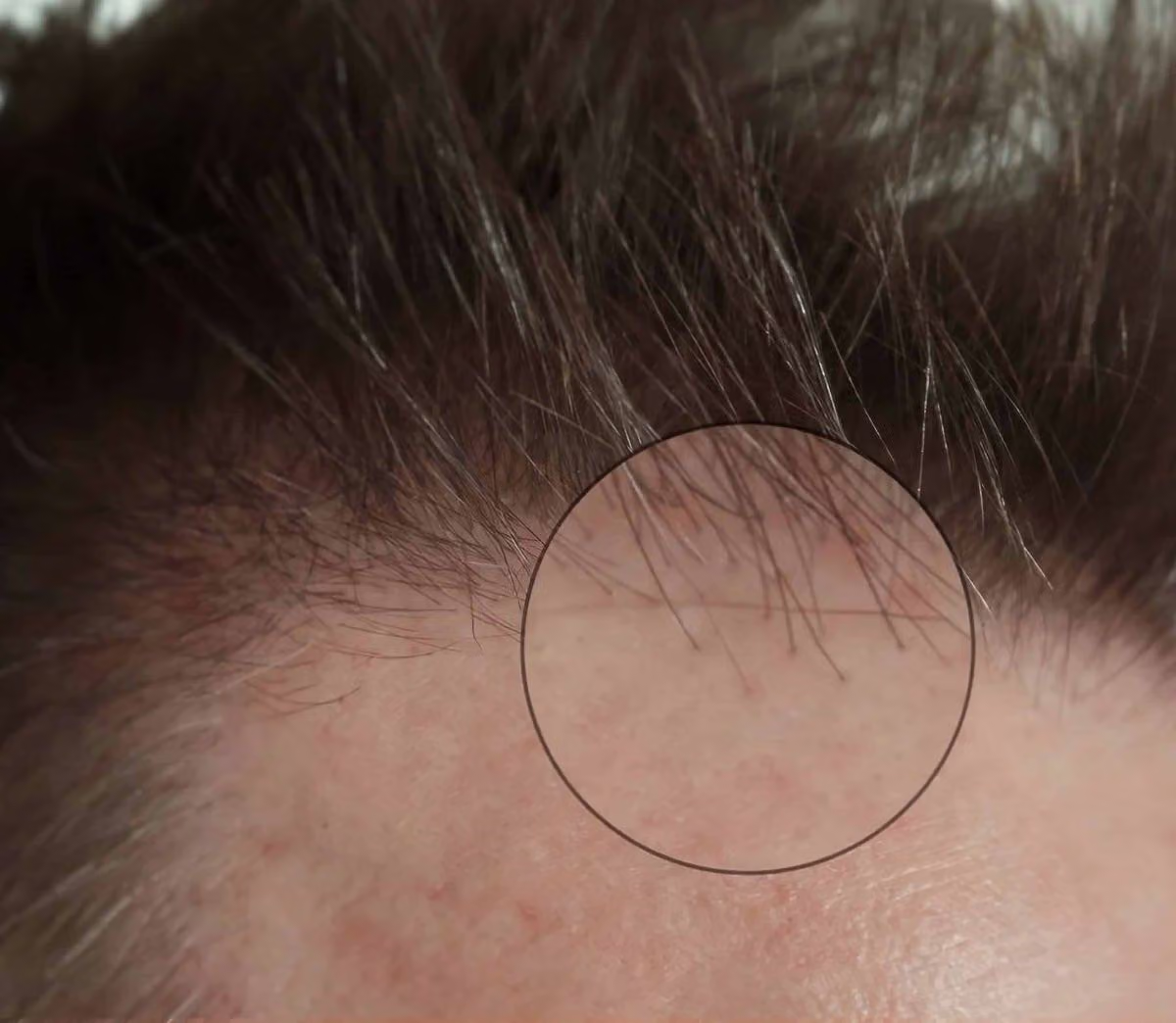
- Recipient Site: The density at the recipient site, where the grafts are implanted, can vary depending on the area of the scalp. The frontal hairline typically requires a higher density to achieve a natural appearance, while other areas may require less density for satisfactory results.
- Patient Goals: The desired level of density can vary from patient to patient. Some individuals may aim for a natural but less dense result, while others may want a denser, fuller appearance. It’s essential for patients to communicate their goals with their surgeon.
- Multiple Sessions: Achieving high hair transplant density may require multiple sessions spaced several months apart to allow for healing and graft survival. Each session can add more density to the treated area.
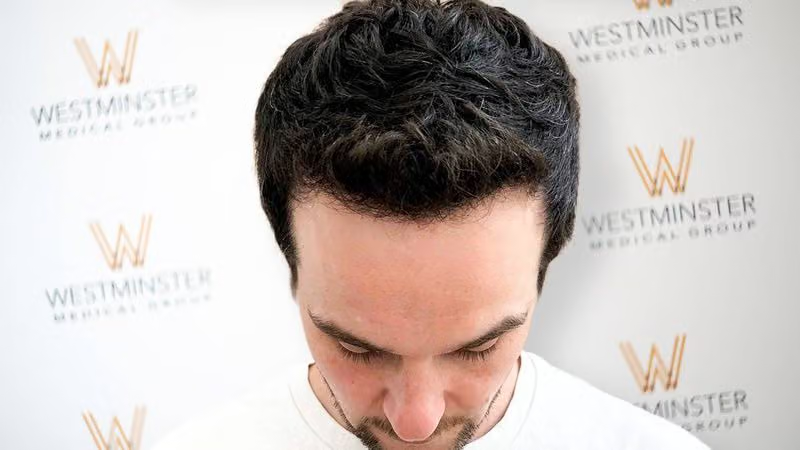
- Realistic Expectations: It’s crucial for patients to have realistic expectations about the achievable density. While hair transplantation can significantly improve the appearance of thinning or balding areas, it may not fully replicate the density of natural, non-thinning hair.
See what's possible for you
Free online assessment, reviewed by our clinical team.