


From Shaved to Subversive: What Ben Stokes Taught Us About Early-Intervention Hair Transplants
In international sports, athletes are expected to possess complete control over their performance. Yet, there is one universal adversary that doesn’t care about athletic prowess: male pattern baldness.
When England cricket icon Ben Stokes candidly discussed his hair transplant, it sent shockwaves through the sporting community. Rather than hiding behind clever styling, Stokes tackled his hair loss early with the exact same proactive strategy he uses on the pitch. For the team at Westminster Medical Group, his journey is a textbook example of why early surgical intervention is the most effective route to long-term hair restoration.
The Strategy of Early Intervention
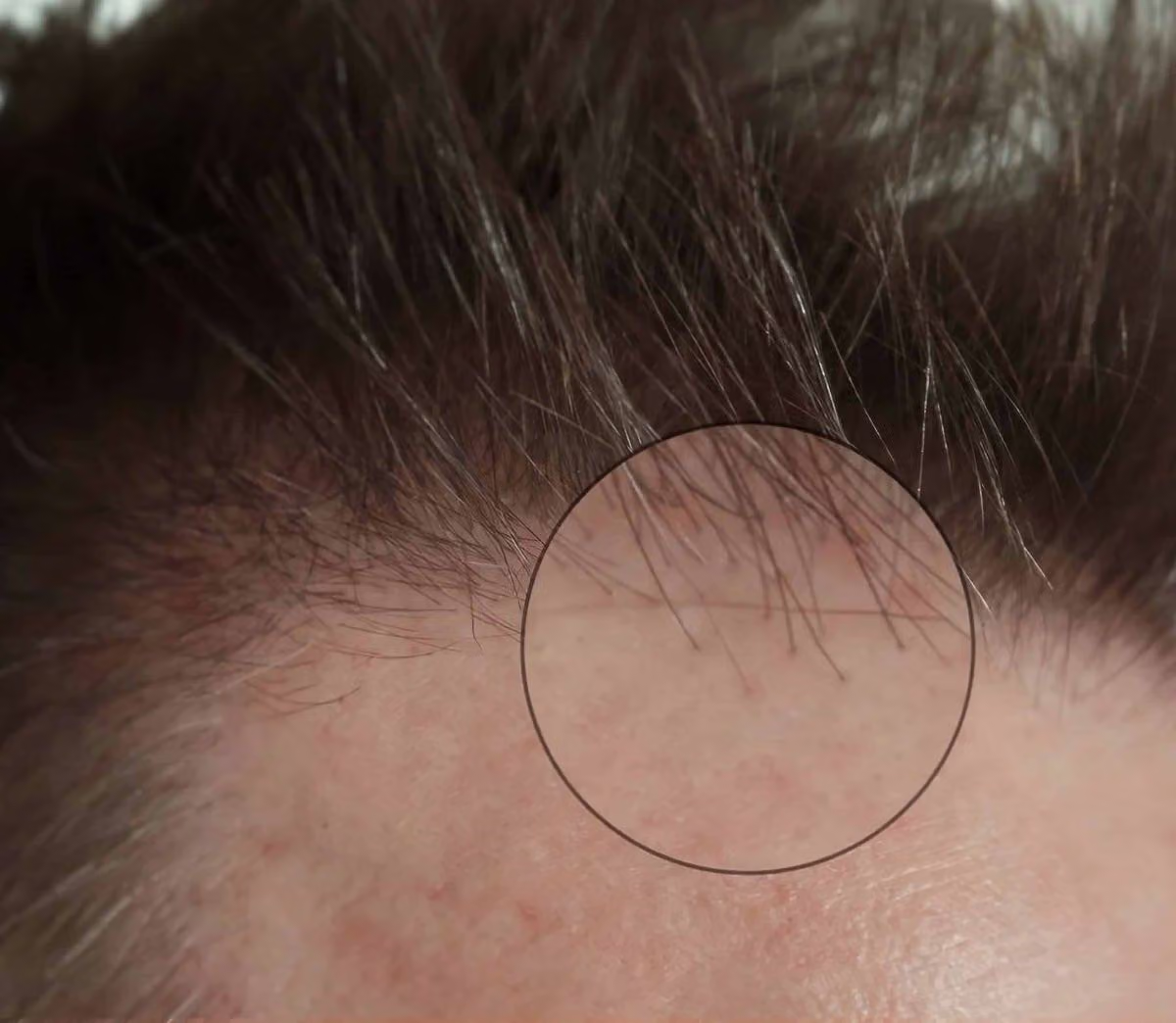
Many men wait until they reach an advanced stage on the Norwood Scale (the standard measure for hair loss) before considering a transplant. Stokes took a completely different path. At age 27, he noticed early signs of a receding hairline and thinning across his crown, placing him at a manageable Norwood stage 2v to 3v.
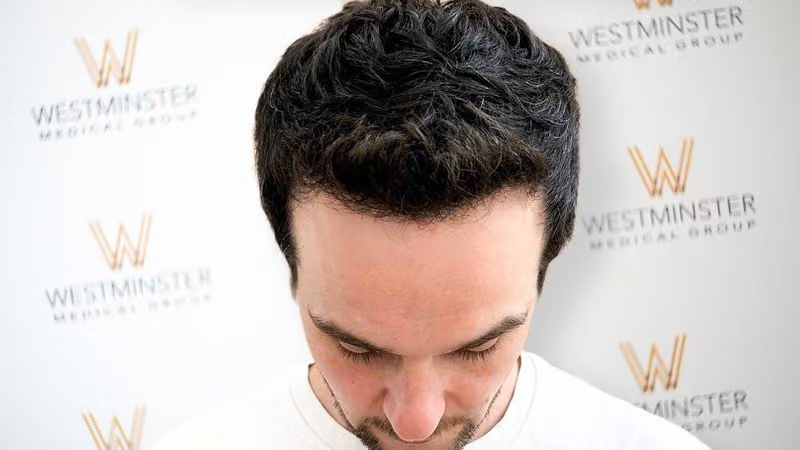
Ben Stokes Hair Transplant Before and after

Why FUE Is the Athlete’s Choice
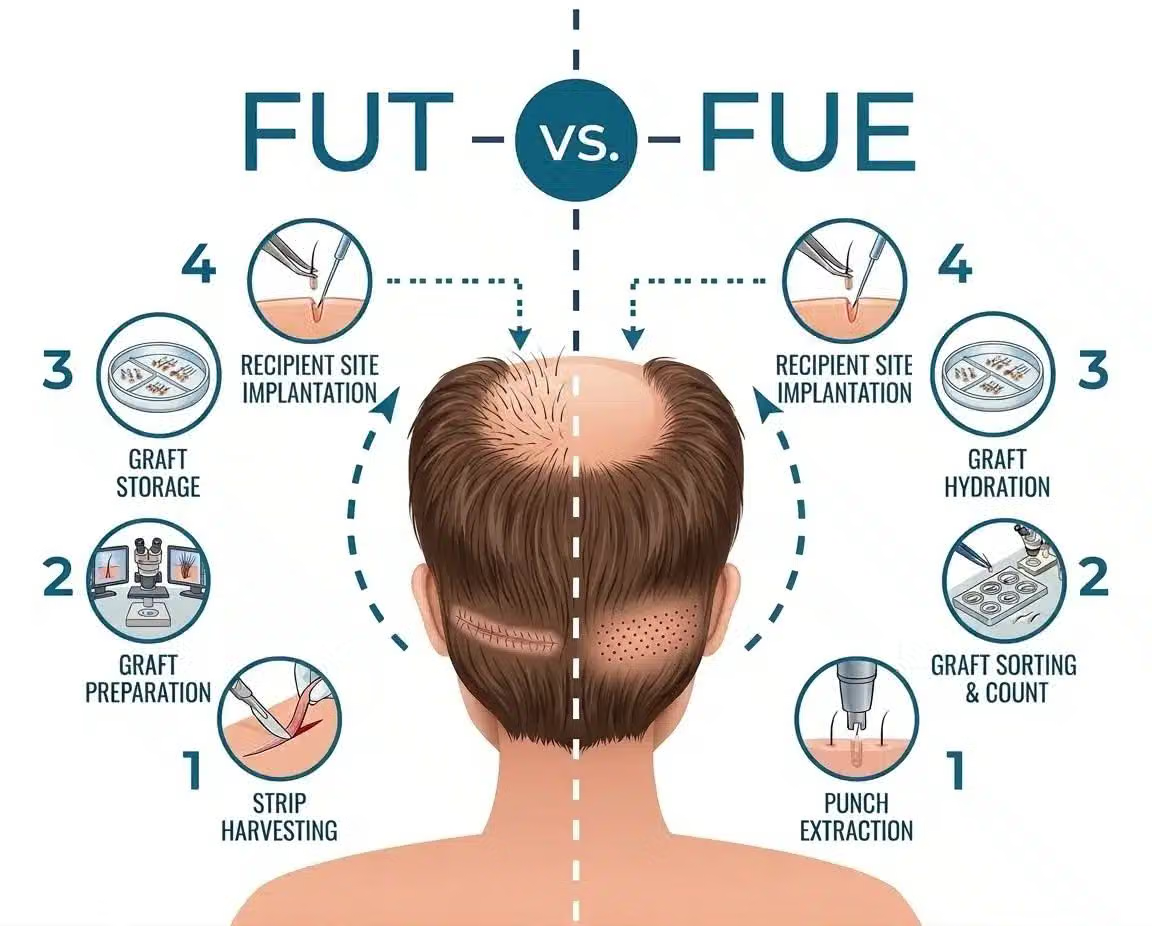
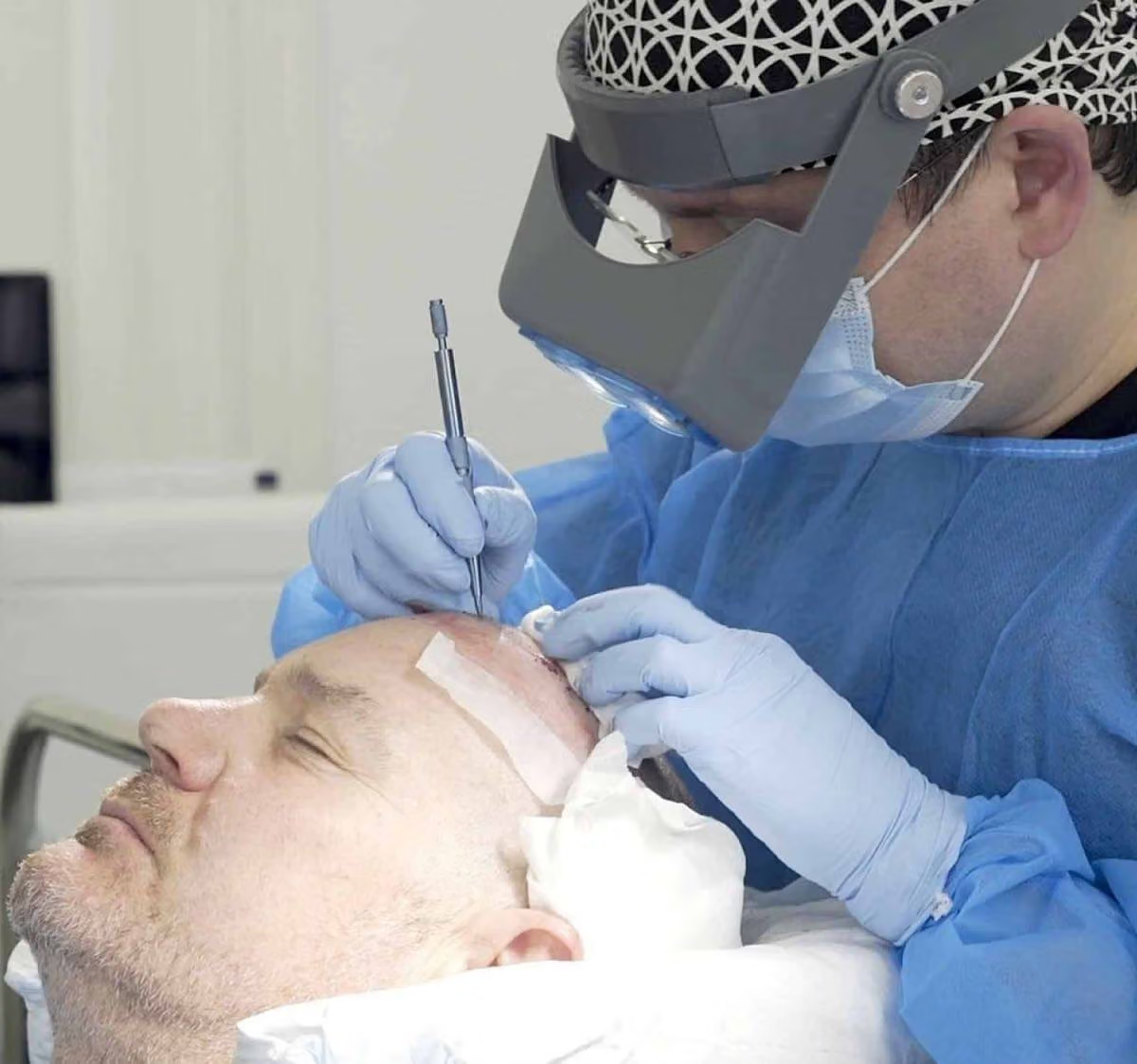
For high-profile individuals, minimising downtime is critical. This makes Follicular Unit Extraction (FUE) the modern standard. Unlike older strip-harvesting methods (FUT) that leave a permanent linear scar, FUE involves extracting individual follicular units one by one.
- No Linear Scarring: FUE leaves microscopic dot scars, allowing patients to confidently wear short, cropped hairstyles.
- Rapid Recovery: Tiny puncture wounds typically close within days, and scabbing sheds naturally within the first two weeks.
- Precision Placement: Advanced tools allow surgeons to mimic the natural angle and direction of existing hair growth. Single-hair grafts are used for a soft hairline, while thicker multi-hair grafts build density further back.
Overcoming the Growth Timeline
One of the most refreshing aspects of Stokes’ story was his honesty about experiencing temporary “buyer’s remorse” during the first few days post-surgery. This psychological dip is entirely normal, as the scalp takes time to heal before new growth begins.
The Vital Role of Donor Management
Male pattern baldness is progressive. If a surgeon over-harvests the “donor area” (the hair-bearing zone at the back and sides of the head) during a first procedure, they risk leaving it patchy and depleted if more hair loss occurs later in life.
At Westminster Medical Group, we prioritise surgeon-led design and conservative graft planning. Utilising advanced diagnostic technology, our GMC-registered surgeons protect your natural donor reserves, ensuring that any work looks completely natural from every single angle.
By speaking candidly about how thinning hair impacted his confidence, Ben Stokes helped smash the stigma surrounding male hair restoration. It isn’t about vanity-it’s about taking control. An early, expert intervention preserves your hair seamlessly, keeping you ahead of the game.
Ready to map out your own hair preservation strategy? Skip the sales representatives and speak directly with an expert. Book a free consultation with a GMC-registered surgeon at Westminster Medical Group today.
See what's possible for you
Free online assessment, reviewed by our clinical team.